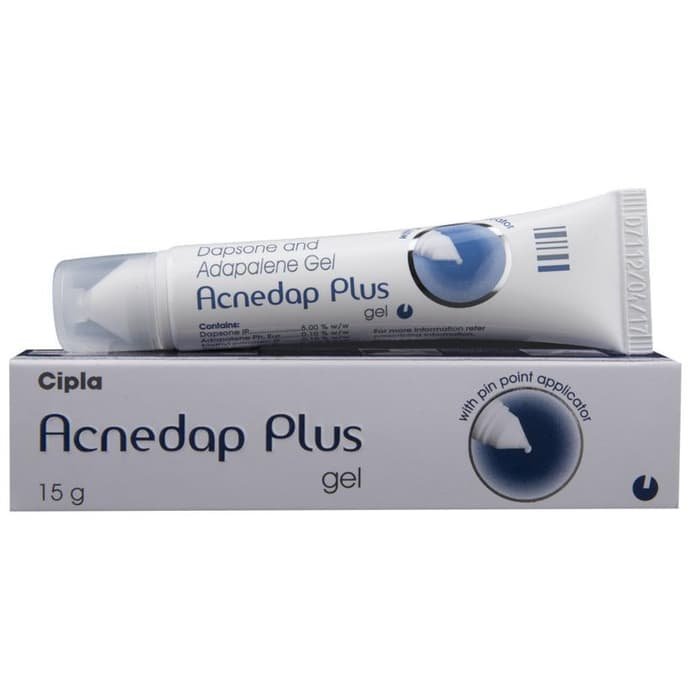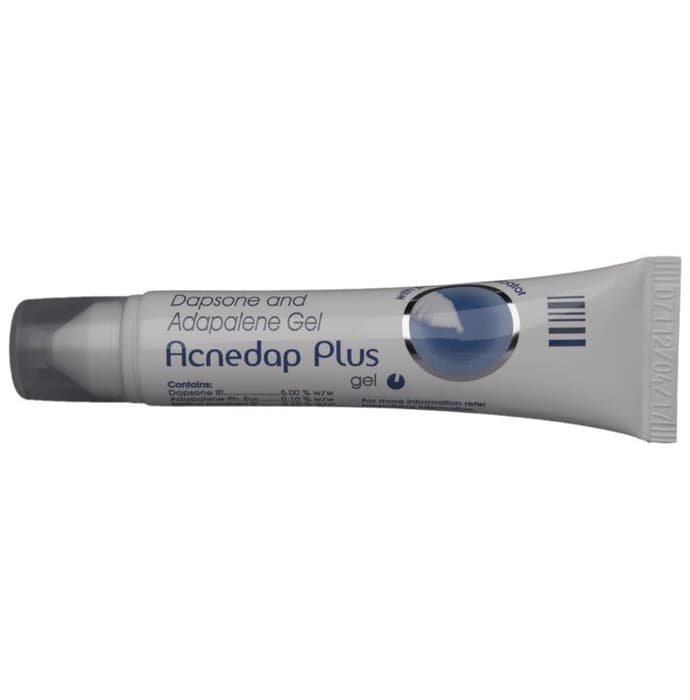
In Treatment of Acne Acnedap Plus Gel helps treat acne by reducing the production of excessive oil in the skin. This helps keep your pores open and prevent further acne breakouts. It helps reduce redness and swelling around acne and promotes healing. It also helps reduce acne blemishes and gives you smoother-looking skin. Acnedap Plus Gel usually takes a few weeks to have a noticeable effect so keep using it even if it appears not to be working. This medicine will help improve your mood and uplift your confidence as acne reduces.
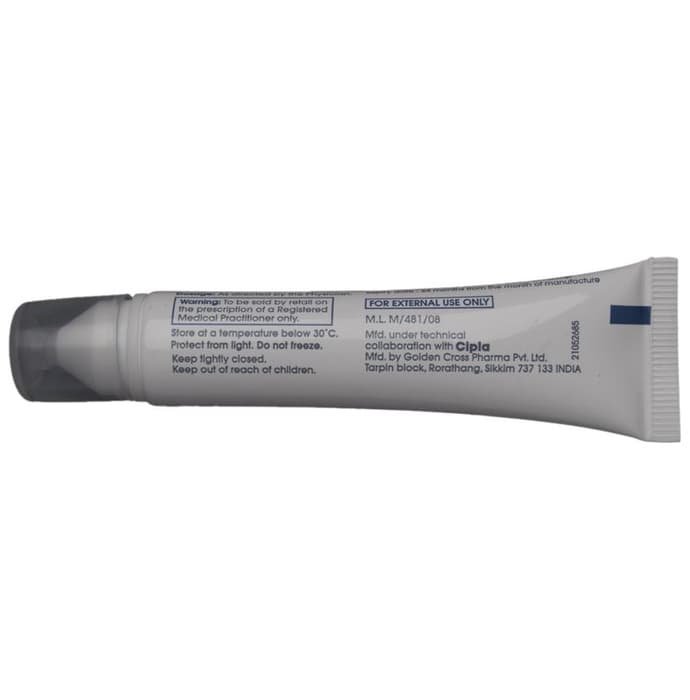
This medicine is for external use only. Use it in the dose and duration as advised by your doctor. Check the label for directions before use. Clean and dry the affected area and apply the gel. Wash your hands after applying, unless hands are the affected area.
- Alcohol : None
No interaction found/established | - Pregnancy : UNSAFE
acnedap PLUS Gel is highly unsafe during pregnancy. It can cause serious harm to the unborn baby, including birth defects and pregnancy loss. Do not use this medicine if you are pregnant or planning to become pregnant. | - Breast feeding : SAFE IF PRESCRIBED
Available human data suggest that the drug does not pass into breast milk in clinically significant amounts and is unlikely to harm the infant. | - Driving : None
No interaction found/established | - Kidney : None
No interaction found/established | - Liver : None
No interaction found/established
If you miss a dose of acnedap PLUS Gel, apply it as soon as possible. However, if it is almost time for your next dose, skip the missed dose and go back to your regular schedule. Do not double the dose.
What is acnedap PLUS Gel used for? ::: acnedap PLUS Gel is used for the treatment of moderate to severe acne vulgaris. The combination of a topical antibiotic and a retinoid addresses both the bacterial and comedonal aspects of acne. It reduces inflammation by minimizing excessive oil production and also prevents the growth of the microorganisms that cause acne.| Can I use acnedap PLUS Gel if I have sensitive or broken skin? ::: You should not apply acnedap PLUS Gel to open cuts, scrapes, sunburned, or irritated skin, as it can make your skin much more sensitive and increase the risk of burning, redness, or irritation.\u003cbr>| Are there serious side effects of acnedap PLUS Gel for acne? ::: Though they are rare, severe side effects of acnedap PLUS Gel may include allergic reactions such as rash, hives, swelling of the face, lips, tongue, difficulty breathing, or severe dizziness. If you notice these signs, stop using acnedap PLUS Gel and seek emergency medical help.| Is acnedap PLUS Gel safe for children? ::: acnedap PLUS Gel is generally not recommended for children under twelve years of age, as safety and effectiveness have not been well established in this age group.| Can acnedap PLUS Gel cause skin discoloration or darkening? ::: Some patients may notice temporary skin discoloration or dark marks at the acnedap PLUS Gel application site, particularly if used with other skin products like benzoyl peroxide. This effect is usually reversible once treatment is stopped.| When should I stop using acnedap PLUS Gel and talk to my doctor? ::: Stop using acnedap PLUS Gel if you have persistent or worsening irritation, burning, swelling, skin discoloration, or if you experience any serious side effects. Always contact your doctor for advice if you are concerned about a reaction or lack of improvement.| Can makeup or sunscreen be used over acnedap PLUS Gel? ::: Yes, you can use non-comedogenic makeup or sunscreen, but allow the acnedap PLUS Gel to fully absorb before applying anything else to your skin to reduce the chance of irritation or interference with your acne treatment.
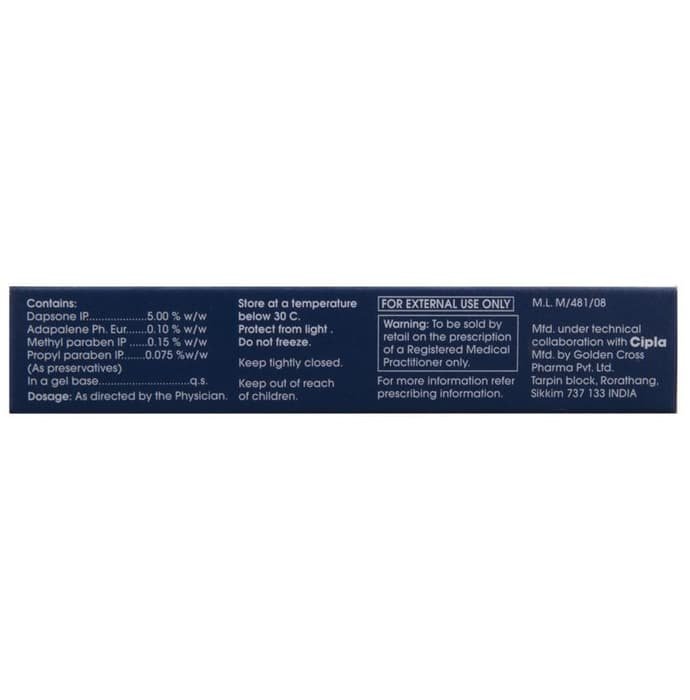
acnedap PLUS Gel is a combination of two medicines: Dapsone and Adapalene which treat acne (pimples). Dapsone is an antibiotic which stops the bacteria from producing folic acid, a nutrient required for bacterial multiplication. $ame2 is a form of vitamin A which prevents the accumulation of sebum (skin?s natural oil), unblocks the pores, and allows natural exfoliation of the outer layers of skin.