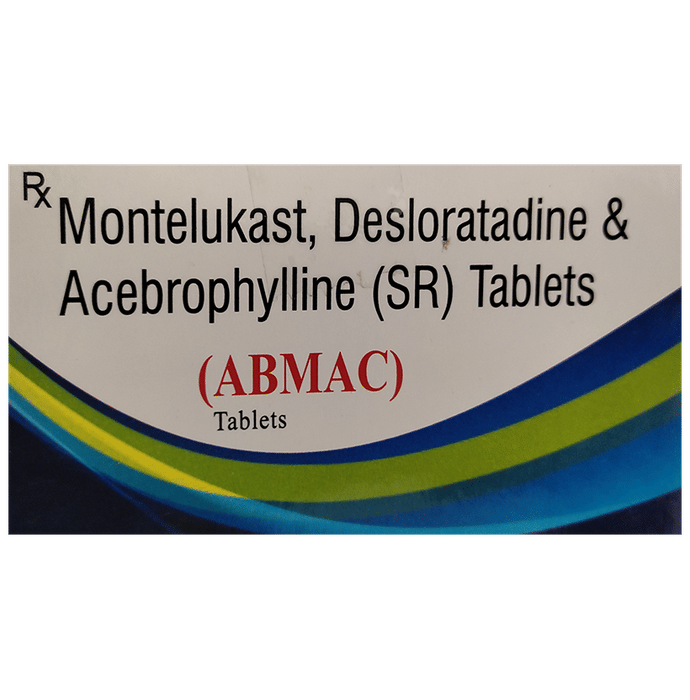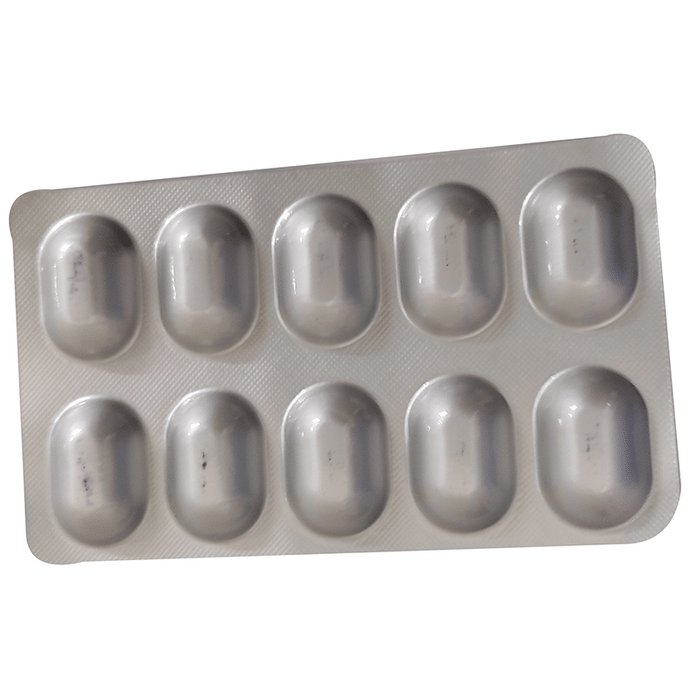
In Asthma Abmac Tablet is used to prevent the symptoms of asthma such as tightness in your chest, wheezing, breathlessness and coughing. It also relieves allergy symptoms like runny nose, watery eyes, sneezing and watery eyes. Abmac Tablet works by reducing and preventing swelling and inflammation in your lungs. It may take a few weeks for this medicine to show full effects. This medicine will not stop an asthma attack that has already started. In order to prevent future attacks, it is important to identify asthma triggers and avoid them and take your medications as prescribed.
Take this medicine in the dose and duration as advised by your doctor. Swallow it as a whole. Do not chew, crush or break it. ABmac Tablet may be taken with or without food.
- Alcohol : CAUTION
Alcohol should be used with caution while taking ABmac Tablet. | - Pregnancy : CONSULT YOUR DOCTOR
ABmac Tablet is not recommended during pregnancy as there is positive evidence of fetal risk based on animal studies. However, it may still be prescribed by a doctor in situations where the benefits outweigh the risks. | - Breast feeding : CAUTION
ABmac Tablet should be used with caution during breastfeeding. Breastfeeding should be held until the treatment of the mother is completed and the drug is eliminated from the body. | - Driving : UNSAFE
ABmac Tablet may decrease alertness, affect your vision, or make you feel sleepy and dizzy. Do not drive if these symptoms occur. | - Kidney : CAUTION
ABmac Tablet should be used with caution in patients with severe kidney disease. Dose adjustment may be needed. | - Liver : UNSAFE
ABmac Tablet is unsafe to use in patients with liver disease and should be avoided.
If you miss a dose of ABmac Tablet, take it as soon as possible. However, if it is almost time for your next dose, skip the missed dose and go back to your regular schedule. Do not double the dose.
What is ABmac Tablet used for? ::: ABmac Tablet is used in the management of asthma. It may help relieve allergy symptoms such as a runny nose, stuffy nose, sneezing, watery eyes, and nasal congestion. It also helps relax the muscles of the air passages, widening them and making breathing easier.| Who should avoid taking ABmac Tablet? ::: People with known allergies to any of the ingredients in ABmac Tablet, severe liver or kidney problems, or a history of seizures should not use ABmac Tablet without a doctor?s guidance.| Are there side effects of ABmac Tablet that need urgent medical care?::: Seek help if you experience severe nausea, vomiting, persistent diarrhea, chest pain, confusion, or difficulty breathing after taking ABmac Tablet.| What lifestyle precautions should I follow with ABmac Tablet? ::: While on ABmac Tablet, you should avoid smoking, exposure to allergens, or strong perfumes, and maintain a healthy diet and adequate hydration for better results.| Are there risks due to ABmac Tablet for people with a seizure history? ::: Yes. ABmac Tablet can worsen seizures. Inform your physician if you have a history of fits or seizure disorders before starting treatment.
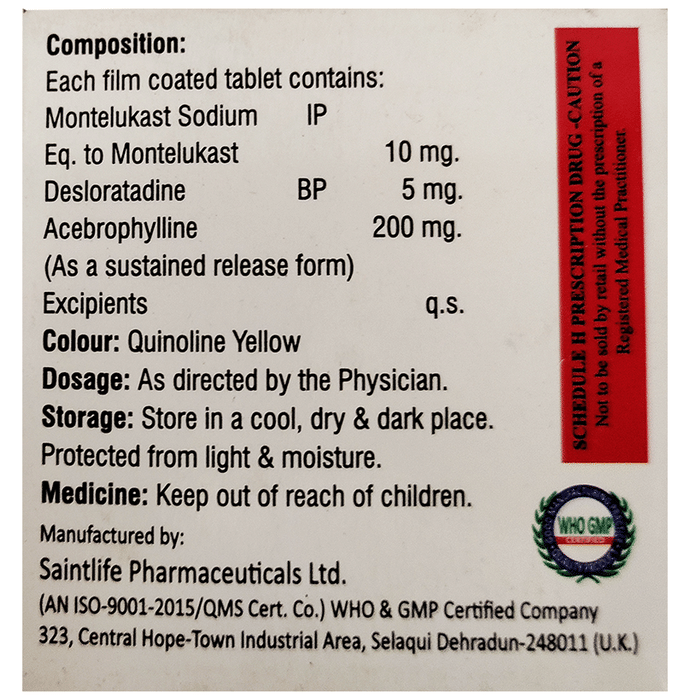
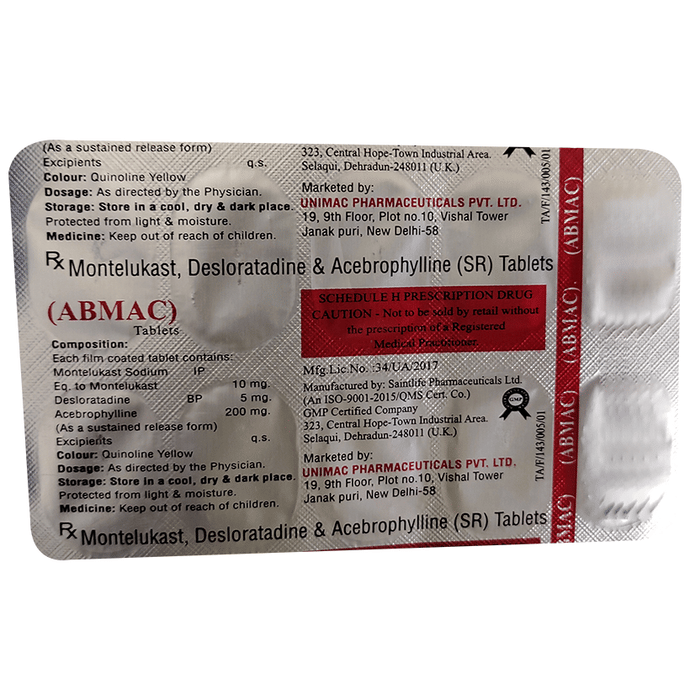
ABmac Tablet is a combination of three medicines: Acebrophylline, Desloratadine and Montelukast. Acebrophylline is a mucolytic which thins and loosens mucus (phlegm), making it easier to cough out. Desloratadine is an antiallergic which relieves allergy symptoms like runny nose, watery eyes and sneezing. Montelukast is a leukotriene antagonist. It works by blocking the action of leukotriene, a chemical messenger. This reduces inflammation in the airways and nose and improves your symptoms.